Over the past few years oracle has acquired numerous competitors in the appliactions and technology market which has resulted in a large product portfolio. All the acquired products represented best of breed in their respective areas,
Oracle decided to build a new application suite from scratch and fusion application is a result of it.
Fusion Applications were designed from the ground up based on open standards, making it possible for them to coexist with legacy Oracle products. Fusion Applications can also take full advantage of Fusion Middleware capabilities, providing for applications that can span complete business processes with a consistent user experience.
Oracle Fusion Applications were designed, from the ground, up using the latest technology advances and incorporating the best practices gathered from Oracle's thousands of customers. They are 100 percent open-standards-based business applications that set a new standard for the way we innovate, work, and adopt technology.
Fusion Applications have simpler, more user-friendly user interfaces. In addition, Oracle embedded social networking capabilities directly into business processes.
Fusion Applications also provide mobility capabilities that support both real-time and offline data access. Organizations can use Fusion's open standards to build custom mobile apps. Fusion Applications have business intelligence features for collecting data on individual application transactions built in.
- Oracle Customer Relationship Management
- Oracle Fusion Financials
- Oracle Fusion Governance, Risk and Compliance
- Oracle Human Capital Management
- Oracle Fusion Procurement
- Oracle Fusion Projects Portfolio Management
- Oracle Fusion Supply Chain Management
Embedded Cloud:
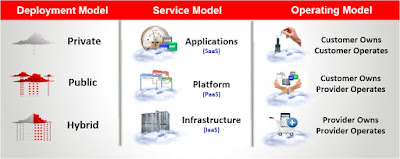

Oracle Fusion Financials:

Oracle Fusion Supply Chain Management:

Oracle Fusion Inventory Management:

Oracle Fusion applications is called now as Oracle Cloud Applications:


Oracle Fusion Applications:

Oracle ERP Cloud Integration Services:

1.Embedded intelligence within the context of business transactions to offer “actionable insight” for users. Embedded intelligence is displayed in the same window where users enter transactions so they do not have to drill down or invoke a separate popup. The Projected Balances pane on the right provides that information as the journal is entered prior to posting
2.Spreadsheet Integration to reduce Errors & Manual work : Extensive spreadsheet integration across Financials, allowing Finance users to work in a familiar environment that is highly efficient. Spreadsheets are seamlessly integrated with the applications for high volume data entry and one-click uploads
3. Financial report designing made easy using Financial Reporting Center ; Produce snapshot reports with static data, or define live reports. Change users point of view or report parameters, end-users can instantly refresh results on-the-fly. Again, this is all live data that works off of pre-aggregated multi-dimensional balances,export results to MS Office, such as Word and PPT, and dynamically refresh results within those office products.
Oracle Enterprise repository (OER) Process:

Oracle decided to build a new application suite from scratch and fusion application is a result of it.
Fusion Applications were designed from the ground up based on open standards, making it possible for them to coexist with legacy Oracle products. Fusion Applications can also take full advantage of Fusion Middleware capabilities, providing for applications that can span complete business processes with a consistent user experience.
Oracle Fusion Applications were designed, from the ground, up using the latest technology advances and incorporating the best practices gathered from Oracle's thousands of customers. They are 100 percent open-standards-based business applications that set a new standard for the way we innovate, work, and adopt technology.
Fusion Applications have simpler, more user-friendly user interfaces. In addition, Oracle embedded social networking capabilities directly into business processes.
Fusion Applications also provide mobility capabilities that support both real-time and offline data access. Organizations can use Fusion's open standards to build custom mobile apps. Fusion Applications have business intelligence features for collecting data on individual application transactions built in.
- Oracle Customer Relationship Management
- Oracle Fusion Financials
- Oracle Fusion Governance, Risk and Compliance
- Oracle Human Capital Management
- Oracle Fusion Procurement
- Oracle Fusion Projects Portfolio Management
- Oracle Fusion Supply Chain Management
Embedded Cloud:


Oracle Fusion Financials:


Oracle Fusion Supply Chain Management:

Oracle Fusion Inventory Management:

Oracle Fusion applications is called now as Oracle Cloud Applications:


Oracle Fusion Applications:

Oracle ERP Cloud Integration Services:

1.Embedded intelligence within the context of business transactions to offer “actionable insight” for users. Embedded intelligence is displayed in the same window where users enter transactions so they do not have to drill down or invoke a separate popup. The Projected Balances pane on the right provides that information as the journal is entered prior to posting
2.Spreadsheet Integration to reduce Errors & Manual work : Extensive spreadsheet integration across Financials, allowing Finance users to work in a familiar environment that is highly efficient. Spreadsheets are seamlessly integrated with the applications for high volume data entry and one-click uploads
3. Financial report designing made easy using Financial Reporting Center ; Produce snapshot reports with static data, or define live reports. Change users point of view or report parameters, end-users can instantly refresh results on-the-fly. Again, this is all live data that works off of pre-aggregated multi-dimensional balances,export results to MS Office, such as Word and PPT, and dynamically refresh results within those office products.
Oracle Enterprise repository (OER) Process:
The Oracle Enterprise Repository (OER) for Oracle Cloud provides visibility into service-oriented
architecture assets to help you manage the lifecycle of your software from
planning through implementation, testing, production, and change control. OER includes the spreadsheet templates and information to help you
prepare external data for upload and import. Each template includes specific
instructions, guidelines, formatted spreadsheets, and best practices for
preparing the data file for upload. Use the templates to ensure that your data
conforms to the structure and format of Oracle ERP Cloud Service interfaces.


